Cupping Therapy for Musculoskeletal Pain: How This Ancient Technique Can Help You Heal

Cupping Therapy for Musculoskeletal Pain: How This Ancient Technique Can Help You Heal

Cupping Therapy for Musculoskeletal Pain: How This Ancient Technique Can Help You Heal

Cupping therapy has gained popularity in recent years—especially among athletes and people dealing with chronic pain—but this healing method has been used for thousands of years in Traditional Chinese Medicine (TCM). Often performed by registered acupuncturists, cupping involves placing specialized suction cups on the skin to help reduce tension, improve circulation, and support musculoskeletal recovery. But does it really work?

Let’s explore the benefits of cupping therapy, how it works, the research behind it, and why it’s a powerful tool for managing pain, stiffness, and injury.


What Is Cupping Therapy?

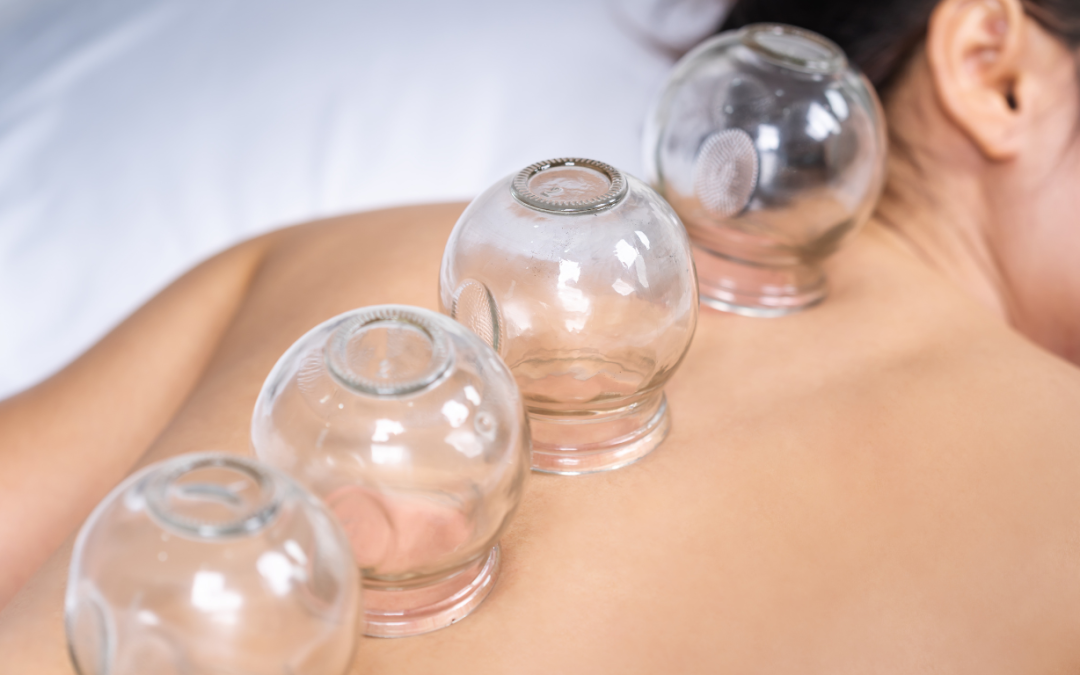
Cupping therapy uses negative pressure (suction) to lift the skin and underlying tissues. A registered acupuncturist places glass, silicone, or plastic cups on specific areas of the body, often on the back, shoulders, or thighs. This suction creates space between the layers of tissue, helping to increase blood flow, reduce muscle tension, and promote healing.

There are two main types of cupping:

  • Dry cupping: Uses suction only.

  • Wet cupping: Involves slight skin pricks followed by suction (less commonly used in Canada and not offered at Remedy).

In most wellness clinics like Remedy Wellness Centre in Victoria, dry cupping is the preferred method and is often combined with acupuncture or tui na massage.


Benefits of Cupping for Musculoskeletal Pain

  1. Pain Relief and Tension Reduction
    Cupping helps reduce muscular tension by improving circulation to tight or inflamed tissues. The suction promotes blood flow to the area, delivering oxygen and nutrients that aid in the healing process.

???? Research Highlight:
A 2020 systematic review published in BMJ Open concluded that cupping therapy showed significant pain reduction in people with lower back pain, neck pain, and knee osteoarthritis compared to control groups. [Source]

  1. Improved Range of Motion and Flexibility
    By loosening muscle knots and breaking up adhesions, cupping can help increase mobility—especially helpful for athletes, people recovering from injury, or those with postural strain from desk jobs.

???? Example:
One patient with chronic shoulder stiffness from a rotator cuff injury noticed increased shoulder mobility and reduced discomfort after three combined sessions of acupuncture and cupping therapy.

  1. Reduced Inflammation
    Cupping is believed to reduce localized inflammation by stimulating the immune response and encouraging lymphatic drainage, which helps flush out metabolic waste.

???? Research Highlight:
A 2018 review in the Journal of Traditional and Complementary Medicine noted that cupping significantly decreased markers of inflammation (like C-reactive protein) in people with musculoskeletal pain.

  1. Faster Recovery from Injury or Training
    Many athletes turn to cupping therapy to help speed up muscle recovery after intense training. The increased blood flow and fascial release can reduce delayed-onset muscle soreness (DOMS) and accelerate recovery.

???? Example:
You might remember Olympic swimmer Michael Phelps’ dark circular cupping marks—he credited cupping with helping him recover faster between races.

  1. Support for Chronic Conditions
    Chronic conditions like fibromyalgia, arthritis, and myofascial pain syndrome often involve widespread musculoskeletal pain. Cupping can provide gentle, non-invasive relief for these patients.


What Does Cupping Feel Like?

Most people describe the sensation as a deep stretch or pulling. The cups typically stay in place for 5–15 minutes, and you may be left with circular marks that fade within a few days. These marks are not bruises—they’re a sign that stagnant blood and toxins are being drawn to the surface.


Cupping Therapy with a Registered Acupuncturist

In British Columbia, cupping therapy is often offered by licensed acupuncturists who understand how to apply it safely and effectively. They assess your body using both Western and Eastern diagnostic tools, then use cupping in targeted areas as part of an individualized treatment plan that may include:

  • Acupuncture

  • Tui na massage

  • Heat therapy (moxibustion)

  • Stretching or movement recommendations

At Remedy Wellness Centre in Victoria, our team of acupuncturists offers cupping as a stand-alone treatment or integrated into acupuncture sessions for musculoskeletal pain relief.


Is Cupping Right for You?

If you experience:

  • Chronic back, shoulder, or neck pain

  • Sports-related tension or injury

  • Arthritis or fibromyalgia

  • Postural strain from sitting or repetitive movements

…then cupping may be a great addition to your wellness routine.

Always consult with a trained practitioner before starting any new therapy, especially if you are pregnant, have thin skin, or take blood thinners.


Book a Cupping Session in Victoria, BC

Ready to experience the benefits of cupping for yourself? Book an appointment with one of our experienced acupuncturists at Remedy Wellness Centre. Whether you’re recovering from injury, managing chronic pain, or simply feeling tense, cupping therapy can help your body unwind and heal naturally.

Menopause and Hormones: How Acupuncture Helps Balance the Transition

Menopause and Hormones: How Acupuncture Helps Balance the Transition

Menopause and Hormones: How Acupuncture Helps Balance the Transition

Natural Support for Hot Flashes, Mood Changes, Sleep Issues & More in Victoria, BC

Menopause is a natural life transition, but that doesn’t mean it’s always easy. For many women, menopause brings a wave of symptoms—hot flashes, night sweats, mood swings, brain fog, sleep issues, and more—all of which are linked to shifting hormone levels.

At Remedy Wellness Centre in Victoria, we offer acupuncture as a safe, natural, and research-supported way to help the body navigate these hormonal changes with greater ease.


The Cascade of Hormone Changes in Menopause

Menopause typically begins between ages 45 and 55 and is defined as the point when a woman has gone 12 consecutive months without a menstrual period. But the hormonal transition begins much earlier in a phase known as perimenopause, which can last for several years.

Here’s a simplified look at what happens hormonally:

1. Estrogen and Progesterone Decline

As ovarian function gradually decreases, the production of estrogen and progesterone becomes irregular and then steadily declines. These two hormones regulate the menstrual cycle and also play important roles in mood, sleep, brain function, and bone health.

2. FSH and LH Rise

The brain responds to low estrogen by increasing follicle-stimulating hormone (FSH) and luteinizing hormone (LH) in an attempt to stimulate the ovaries. This hormonal surge contributes to hot flashes and night sweats.

3. Testosterone and Other Hormones Shift

While testosterone also declines gradually with age, an imbalance between estrogen and testosterone may lead to symptoms such as irritability, decreased libido, and weight changes.

4. Cortisol and Stress Hormones

The adrenal glands take over some hormonal functions post-menopause. Chronic stress can tax these glands, leading to elevated cortisol levels that worsen fatigue, sleep issues, anxiety, and hormonal imbalance.


Common Menopausal Symptoms Linked to Hormonal Imbalance:

  • Hot flashes and night sweats

  • Mood swings, anxiety, or depression

  • Vaginal dryness and low libido

  • Sleep disturbances and fatigue

  • Brain fog or poor concentration

  • Weight gain and bloating

  • Joint pain or stiffness

These symptoms vary greatly from person to person—and that’s where individualized care like acupuncture makes a real difference.


How Acupuncture Helps with Menopause

Acupuncture is a key part of Traditional Chinese Medicine (TCM) and works by restoring balance in the body’s energy system (Qi), regulating internal organ function, and supporting the nervous and endocrine systems.

Here’s how it supports menopause symptom relief:

???? 1. Regulates Hormonal Feedback Loops

Acupuncture can help modulate the hypothalamic-pituitary-ovarian axis (HPO axis)—a critical hormonal system involved in regulating estrogen and progesterone production. By calming this feedback loop, acupuncture helps reduce hot flashes, mood swings, and irregular cycles.

???? 2. Calms the Nervous System

By stimulating points that activate the parasympathetic nervous system, acupuncture can reduce cortisol levels and help manage stress and anxiety—both of which are amplified by hormonal fluctuations.

???? 3. Improves Sleep Quality

Acupuncture supports deeper, more restorative sleep by regulating melatonin and calming overactive stress hormones. This can reduce insomnia, night sweats, and sleep interruptions during menopause.

???? 4. Increases Circulation and Moisture

Points that stimulate kidney and liver meridians help improve blood flow and fluid balance, which can relieve vaginal dryness, joint pain, and skin irritation.

???? 5. Enhances Mood and Mental Clarity

By influencing neurotransmitters such as serotonin, dopamine, and GABA, acupuncture helps alleviate mood swings, brain fog, and emotional volatility that often accompany menopause.


What the Research Says

✅ A 2023 systematic review published in BMJ Open concluded that acupuncture significantly reduces the frequency and severity of hot flashes and improves quality of life in menopausal women.

✅ A study in Menopause (2016) found that acupuncture reduced symptoms such as hot flashes, sleep problems, and mood swings after just 5 weeks of treatment.

✅ The Journal of Clinical Endocrinology & Metabolism notes that acupuncture may influence estrogen levels and help balance the HPO axis, especially during perimenopause.


What to Expect from Acupuncture for Menopause at Remedy Wellness Centre

When you book an appointment with one of our licensed acupuncturists, your care will begin with an in-depth intake session to assess your symptoms, health history, and goals. From there, you’ll receive a personalized treatment plan, which may include:

  • Acupuncture

  • Cupping or acupressure

  • Dietary and lifestyle advice

Sessions are gentle, relaxing, and tailored to your comfort level. Most people begin to see improvements within 3–6 sessions, though longer care may be needed for chronic symptoms.


Ready to Feel Balanced Again?

Menopause doesn’t have to be overwhelming. With the right support, your body can transition more smoothly—naturally and holistically.