Degenerative Disc Disease: Normal Aging vs. When It’s a Problem
Hearing the term degenerative disc disease (DDD) can sound scary—but for many people, it’s simply a normal part of aging, not a disease at all. At Remedy Wellness Centre in Victoria, we often see patients who are worried after imaging reports mention disc degeneration, even though they have little or no pain.
Understanding the difference between normal age-related changes and true disc pathology is key to knowing when treatment is needed—and when it isn’t.
What Is Degenerative Disc Disease?
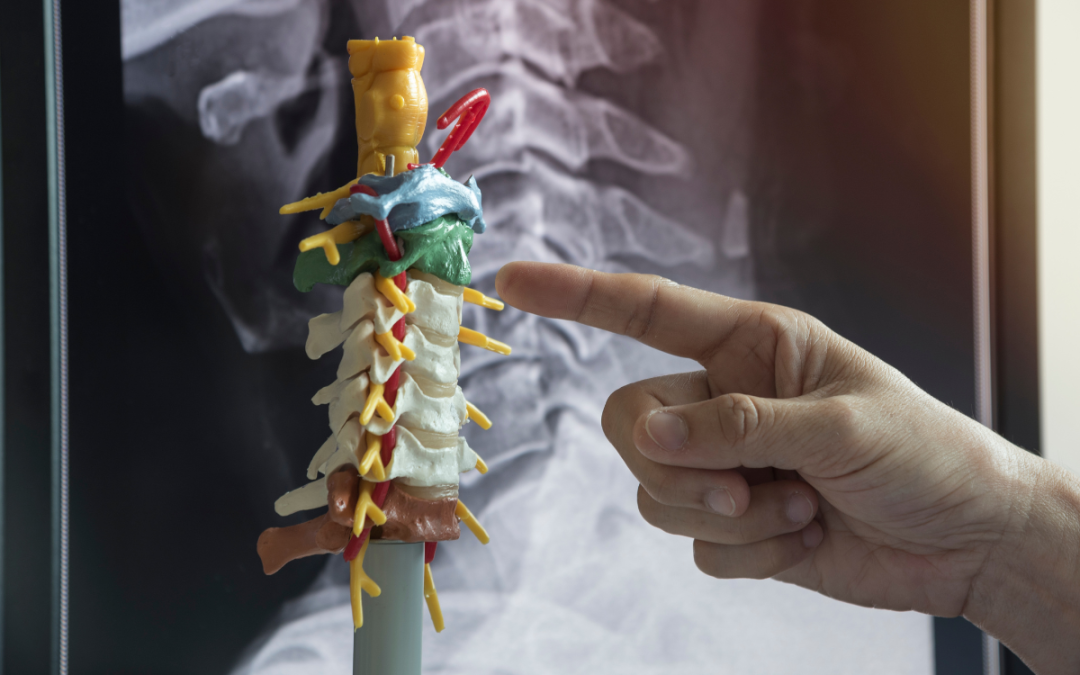
Degenerative disc disease refers to gradual changes in the spinal discs over time. These discs act as shock absorbers between the vertebrae, allowing your spine to move, bend, and twist.
As we age, discs naturally:
-
Lose hydration
-
Become thinner
-
Develop small cracks or wear
-
Lose some flexibility
These changes can begin as early as your 20s or 30s and are completely normal, even in people who have no back pain at all.
In fact, studies show that many people with disc degeneration on MRI or X-ray are completely symptom-free.
When Degenerative Disc Disease Is Normal Aging
DDD is often considered a normal aging process when:
-
There is little or no pain
-
Symptoms are mild and intermittent
-
Pain improves with movement or activity
-
Imaging findings don’t match symptom severity
-
There are no neurological symptoms (numbness, weakness, loss of reflexes)
In these cases, disc changes are similar to wrinkles on the skin—they reflect time and use, not damage or disease.
When Degenerative Disc Disease Becomes a Problem
DDD may represent a true pathology when disc changes start to interfere with nerve function, joint movement, or daily life.
Red flags that suggest a more significant issue include:
-
Persistent or worsening pain
-
Pain that radiates into the arms or legs
-
Numbness, tingling, or weakness
-
Pain that doesn’t improve with rest or movement
-
Reduced mobility or stiffness that limits function
-
Pain associated with disc bulges, herniation, or spinal instability
In these cases, disc degeneration isn’t just an incidental finding—it’s contributing to symptoms and needs to be addressed.
Why Disc Degeneration Causes Pain for Some People (and Not Others)
Disc degeneration itself isn’t always painful. Pain usually develops when degeneration leads to:
-
Joint dysfunction in the spine
-
Inflammation around spinal structures
-
Muscle guarding or imbalance
-
Nerve irritation or compression
-
Loss of normal spinal movement
This is why focusing only on imaging results can be misleading. Effective treatment looks at how the spine moves, not just how it looks on a scan.
How to Maintain Spine Health as You Age
Whether you have symptoms or not, these strategies can help keep your spine healthy and resilient:
1. Keep Moving
Movement helps discs stay hydrated and nourished. Walking, swimming, cycling, and strength training all support disc health.
2. Strengthen Core & Hip Muscles
Strong core and glute muscles reduce stress on spinal discs and improve stability.
3. Improve Posture & Ergonomics
Long hours of sitting and poor posture increase disc strain. Small adjustments can make a big difference.
4. Manage Load & Recovery
Repetitive strain and poor recovery contribute to disc irritation. Balanced activity and rest are key.
5. Address Pain Early
Ignoring stiffness or recurring pain often leads to compensation patterns that worsen degeneration over time.
Treating Degenerative Disc Disease Without Surgery
At Remedy Wellness Centre, we take a conservative, evidence-based approach to managing DDD—focusing on function, movement, and long-term spine health.
Chiropractic Care
-
Improves spinal joint mobility
-
Reduces pressure on irritated discs and nerves
-
Restores normal movement patterns
-
Decreases muscle tension and inflammation
Physiotherapy
-
Builds strength and spinal stability
-
Corrects movement dysfunction
-
Improves flexibility and endurance
-
Helps prevent flare-ups
Massage Therapy
-
Relieves muscle guarding
-
Improves mobility
-
Reduces pain and stiffness
-
Supports recovery and relaxation
Together, these treatments help manage symptoms, slow progression, and keep you active—often avoiding injections or surgery altogether.
The Takeaway: Degeneration Doesn’t Equal Disability
Degenerative disc disease is not a life sentence. For many people, it’s simply part of aging—and even when symptoms are present, most cases respond extremely well to conservative care.
If imaging reports have left you worried, or if back or neck pain is affecting your quality of life, a thorough assessment can help determine whether your disc changes are normal aging—or something that needs targeted treatment.
At Remedy Wellness Centre, our goal is to help you move confidently, age actively, and protect your spine for the long term.
About Chiropractic Care at Remedy